
Bringing Home a Rescue Dog in North County: Your First-Week Checklist |
A welcoming home starts with safety, patience and a few simple preparations. |
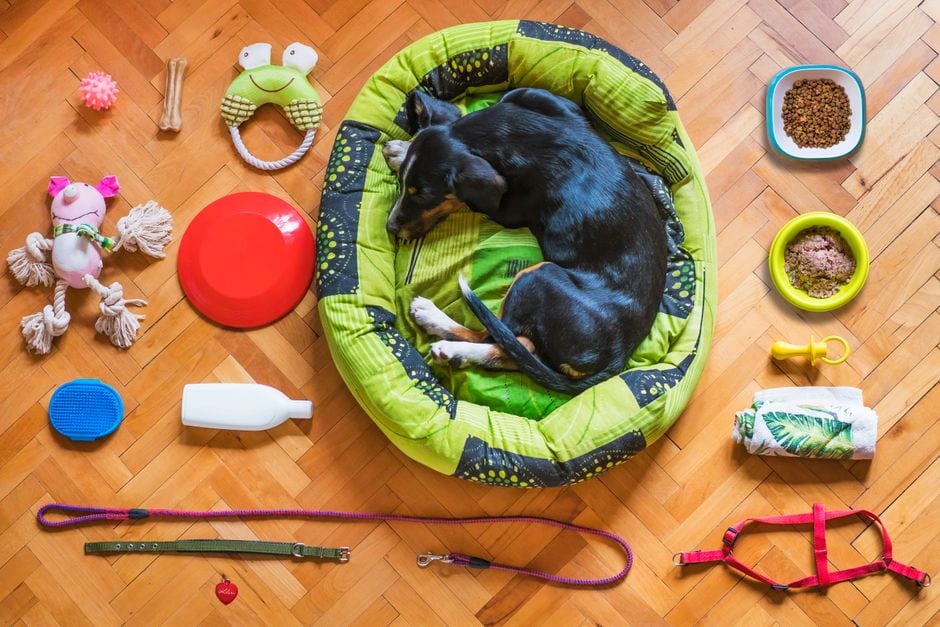
The leash is hanging by the door. The dog bed looks ridiculously comfortable. There's a new food bowl in the kitchen and, if we're being truthful, you've probably already taken twenty pictures of it all. You're ready for your rescue dog. But is your home ready for a dog who has absolutely no idea what's going on?
Bringing home a rescue dog in North County is exciting, but the first week should be about safety, predictable routines and getting acquainted. Forget the pressure to create the perfect homecoming. Your new companion needs a secure place to rest, a few essentials and people willing to be patient.
Before pickup, ask the unglamorous questions
What food has the dog been eating? Are medications due? Is a veterinary follow-up recommended? How do you transfer the microchip registration? Ask the shelter or foster caregiver about routines, fears and favorite treats. These aren't the questions you'll remember to ask while a wagging tail is distracting you at the adoption desk.
Write the answers down. Bring a properly fitted harness or collar and a secure leash. If the organization recommends a particular way to transport the dog, follow its guidance. A frightened dog can slip away quickly, even if they seemed perfectly relaxed during your visit.
Make a quiet landing spot
Choose an area where your dog can sleep without constant interruptions. Add fresh water, a comfortable bed and a place to retreat. Then get down to dog height and look around. Loose cords, cleaning products, medications, trash and tempting food can suddenly seem much more accessible from four paws.
Check gates, doors, window screens and fence gaps. If children live at home, explain that sleeping and eating dogs need space. You don't need to turn your house into a pet store. A few thoughtfully chosen supplies are more useful than a mountain of toys your dog may not touch for days. |
 |
The first car ride and first night
Keep the trip home calm and direct. Once inside, offer a bathroom break and let the dog explore at their own pace. Skip the welcome party. Everyone may be excited to meet the newest family member, but the dog hasn't had time to learn who anyone is yet.
That first night may be uneventful, or it may involve pacing, whining and an extra trip outside. Try not to interpret one restless evening as a personality problem. Keep meals and bathroom breaks predictable. If there's an accident, clean it calmly and reward success the next time. Your dog is learning the house rules, not trying to make your life difficult.
What about the other pets?
If you already have a dog or cat, plan introductions carefully. Ask the adoption organization for guidance and supervise interactions. Give each animal space and access to separate resting areas. Don't force them to share toys, food or beds. A friendly first sniff is encouraging, but it doesn't guarantee they'll be comfortable together in every situation.
Watch for signs of stress and create distance when needed. Reward calm behavior rather than pushing for instant friendship. If tensions persist, consult a qualified reward-based behavior professional. It's easier to build a good relationship gradually than to repair one after a frightening encounter.
Don't schedule a grand North County tour
We know the dream: your new dog trotting beside you along the coast, enjoying a sunny trail and charming everyone at a dog-friendly patio. There's time for all of that. The first week isn't an audition for the perfect California dog lifestyle.
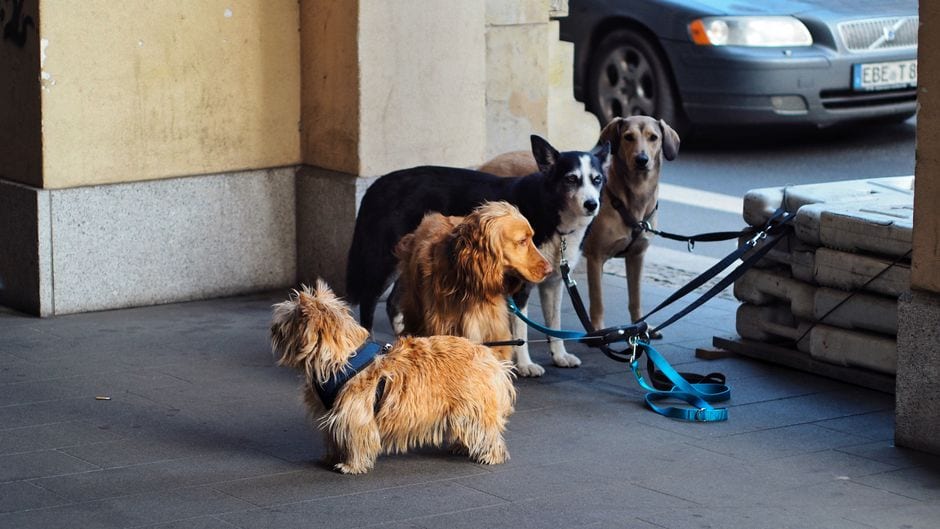
Start with short, quiet walks near home. Keep identification current and your leash secure. Check local access rules before visiting beaches or parks. Let your dog's comfort guide how quickly you add new experiences. |
 |
A routine is the best welcome gift
Predictable meals, bathroom breaks, rest and gentle activity help a new dog learn what comes next. Offer simple rewards for behaviors you want to see again. Some dogs ask for affection immediately. Others prefer to watch from across the room. Both deserve respect.
Arrange a veterinary visit to review available records and discuss preventive care. Seek prompt advice for illness, appetite concerns or signs of pain. If fear or behavior problems persist, ask a qualified professional for help rather than hoping the dog will simply grow out of them.
Questions You May Have About Bringing Home a Rescue Dog
Should friends visit on the first day? A quiet arrival is usually easier. Introduce visitors gradually as your dog becomes comfortable.
What if my dog hides? Provide a safe retreat and let them approach voluntarily. Monitor their health and basic needs.
Can I change the dog's food immediately? Ask the shelter and your veterinarian. A gradual transition is often easier on digestion.
When should I visit a veterinarian? Arrange a timely introductory appointment and seek urgent advice for concerning symptoms.
Is the beach a good first outing? Usually not. Begin with calm neighborhood walks and expand adventures gradually.
Small Victories Make A Home
The first time your dog sleeps peacefully, chooses to follow you into the kitchen or brings you a toy may not look like much to anyone else. To you, it will feel enormous. That's how a home becomes home: not with one perfect first day, but with a hundred little moments of trust. |
🐾 Love Dogs? Join the Pack!
More wagging tails, local adoption stories, helpful dog-care tips and North County events—delivered to your inbox. Join our pack for free! |

0 Comments
Join the conversation
Be the first to comment
Share your thoughts above.