Senior Dogs for Adoption: Why an Older Dog May Be Your Perfect Match |
Older dogs can bring companionship, character and a gentler pace to a new home. |

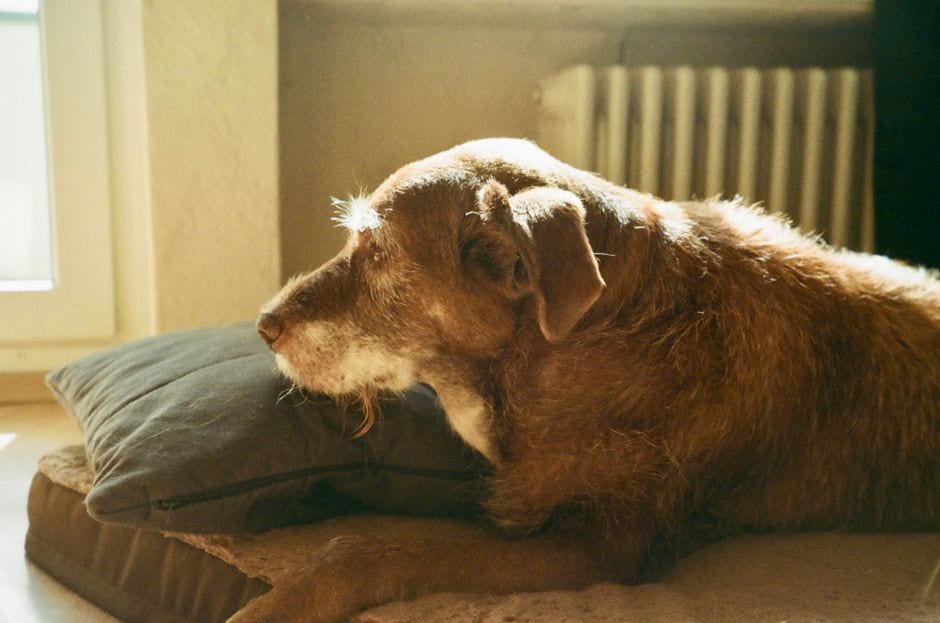
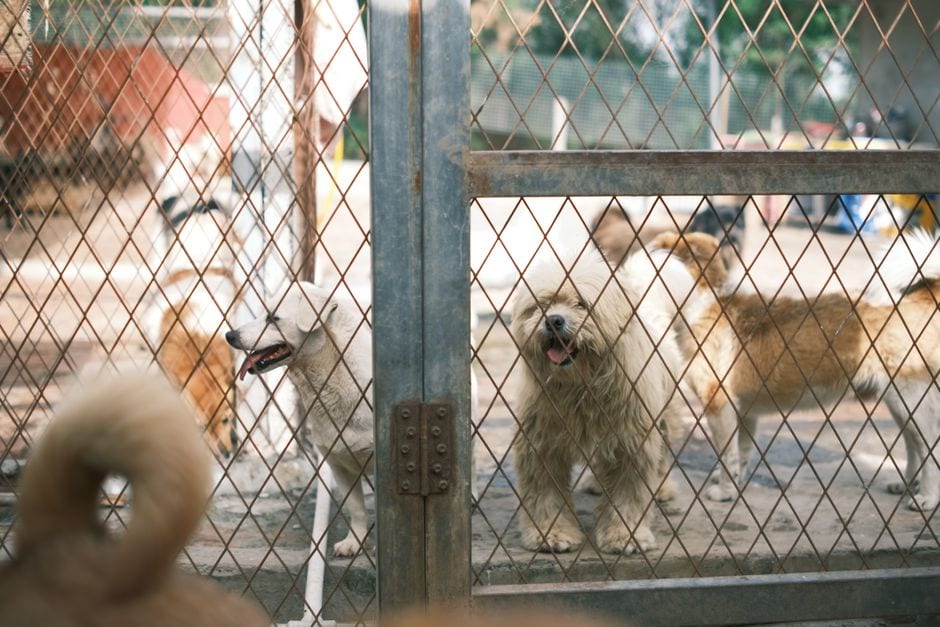
There's something special about an older dog. Maybe it's the gray around the muzzle, the unhurried way they investigate a new room, or the look they give you when you've interrupted a perfectly good nap. Walk through a shelter and the puppies may steal the show. But the dog sitting quietly a few kennels away could turn out to be exactly the companion you've been looking for.
Senior dogs for adoption deserve more than a sympathetic glance. They deserve to be considered for who they are today: individuals with preferences, personalities and plenty of companionship to offer. For North County families, the question isn't simply whether an older dog needs a home. It's whether your home and that particular dog would be a good match.
The wonderful thing about an older dog
A puppy is full of surprises, including some that arrive at three in the morning. With an adult or senior dog, caregivers may already have a clearer picture of daily habits. Does the dog enjoy a leisurely walk? Curl up near people? Get excited about a squeaky toy? Those details can help you imagine real life together.
But don't mistake age for a personality test. Some seniors are mellow homebodies; others still greet the leash like it's the best invention ever. An older dog may know household manners, or may need patient help learning them. The joy is discovering the individual, not expecting every gray muzzle to behave the same way.
When is a dog considered senior?
There's no birthday that turns every dog into a senior overnight. Size, breed and health influence how dogs age. Larger dogs often reach their senior years earlier than smaller ones. Ask a veterinarian about the needs of the dog you're considering rather than relying on an age label alone. |
 |
Where to meet senior dogs in North County
If you're searching in Oceanside, Vista, Carlsbad, San Marcos or Escondido, start with current adoption listings from the San Diego Humane Society, San Diego County Animal Services and established local rescues. Look for age filters where offered, and check the organization's current adoption process before visiting. A dog's listing can change quickly.
Don't overlook foster-based rescues. A foster caregiver may know whether a dog sleeps through the night, enjoys visitors or needs a little space around other pets. Shelter staff can share observations too. Ask what they've actually seen and what remains unknown. A thoughtful answer beats a promise that a dog will be perfect.
Ask the questions that matter
What does a normal day look like for this dog? Can they comfortably manage stairs? Are they taking medication? What do caregivers know about their hearing, vision, dental health or mobility? How do they respond to children and other animals? These aren't awkward questions. They're how you prepare to give a dog the care they deserve.
Ask for available veterinary records and discuss any ongoing treatment before adopting. Some older dogs need frequent checkups or daily medication; others have relatively straightforward needs. Either way, budget for food, veterinary care, preventive treatment and emergencies. A loving home includes a realistic plan for the less glamorous days.
Make home feel easy
Picture an older dog arriving after a big change. The last thing they need is a crowded welcome party. Set up a quiet sleeping area, offer water and familiar food when possible, and keep walks and mealtimes predictable. If slick floors or stairs are difficult, nonslip rugs or a different sleeping arrangement may help. Ask your veterinarian before making assumptions about pain or exercise limits. |
 |
North County offers plenty of places to explore, but a gentle neighborhood stroll may be more enjoyable than a busy beach on the first weekend. Watch the dog's comfort, check local leash rules and build up outings gradually. Some seniors are enthusiastic adventurers. Others would vote for a shady patio and a long nap. Both are perfectly respectable opinions.
A second chance goes both ways
It's easy to describe senior adoption as doing a good deed. And it can be. But the relationship isn't one-sided. An older dog may bring humor, steady companionship and an unexpectedly strong bond into your home. You aren't adopting a sad story; you're getting to know a living, feeling companion whose next chapter hasn't been written yet.
Questions You May Have About Senior Dog Adoption
Are senior dogs always calm? No. Energy and temperament vary. Ask about the dog's actual routine and activity level.
Can an older dog learn new habits? Yes. Many dogs continue learning throughout life. Keep training gentle, consistent and reward-based.
Will a senior dog have expensive medical needs? Not necessarily, but age-related conditions are possible. Review available records and plan for veterinary expenses.
Are senior dogs available locally? Often, yes. Check current North County shelter and rescue listings because availability changes.
How do I help an older rescue settle in? Offer a quiet retreat, predictable routines and time to adjust. Seek veterinary advice for signs of pain, illness or sudden behavior changes.
The Best Part Is Still Ahead
Maybe your future best friend has a little silver around the eyes. Maybe they take the scenic route to the couch. What matters isn't how many birthdays they've celebrated. It's whether you can give each other a good life from this day forward. Sometimes the dog you've been waiting for has been waiting a little longer, too. |
Keep Reading
For more practical guidance, read Dog Adoption in Oceanside and Escondido.
Explore local adoption resources through the San Diego Humane Society. |
🐾 Love Dogs? Join the Pack!
More wagging tails, local adoption stories, helpful dog-care tips and North County events—delivered to your inbox. Join our pack for free! |

0 Comments
Join the conversation
Be the first to comment
Share your thoughts above.