The 3-3-3 Rule for Rescue Dogs: A Helpful Guide, Not a Deadline |
What the familiar three-day, three-week and three-month idea gets right—and where patience matters more. |
Your new dog doesn't own a calendar. They don't know it's Tuesday, they haven't read the adoption paperwork, and they certainly aren't counting down to day 90. Yet somewhere online, a cheerful chart insists that three days, three weeks and three months are the magic numbers for settling in. If only dogs were that predictable.
The 3-3-3 rule for rescue dogs is a popular way of describing adjustment after adoption: roughly three days to decompress, three weeks to learn routines and three months to feel more comfortable. It's a helpful reminder to be patient, not a scientifically proven schedule. Your dog's behavior matters more than any countdown.
Those first three days can feel strange
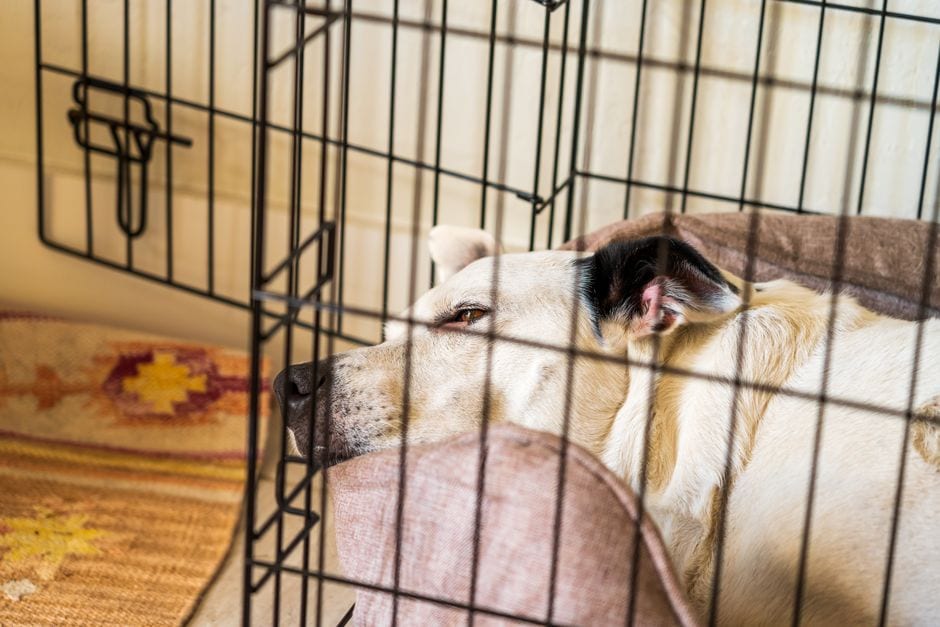
Imagine being driven away from everything familiar, carried through a new front door and introduced to people who already know your name. You might be friendly and curious. You might also want to hide behind the sofa. Dogs can respond in much the same variety of ways.
Keep the first days quiet. Offer water, familiar food when possible, a comfortable resting place and regular bathroom breaks. Let your dog explore without being followed from room to room. If they choose to rest instead of play, that's okay. The goal isn't instant friendship. It's helping them discover that nothing bad happens when they relax.
The three-week idea: a routine begins
After some time together, you may notice little changes. Perhaps the dog who barely touched breakfast now trots into the kitchen at the sound of the food bowl. Maybe they finally pick up a toy. Or maybe they've decided your favorite chair is officially theirs. Personality often emerges as the surroundings become familiar.
This is a good time for short, reward-based training sessions and predictable routines. You don't have to wait three weeks to teach a cue or reward calm behavior. Just keep expectations reasonable. A dog who seems confident indoors may still be startled by traffic, visitors or unfamiliar dogs outside. |
 |
Three months isn't a finish line
Some rescue dogs settle quickly. Others need much longer, particularly if they have experienced repeated moves, limited socialization or frightening situations. Even a dog who appears relaxed at home may struggle in new settings. Rather than asking whether your dog is on schedule, ask whether their world is becoming a little easier to navigate.
Look for small signs: choosing to rest near you, exploring a room without hesitation or recovering more quickly after a surprise. Don't interpret every yawn or tail movement in isolation. Context and the dog's overall body language matter. If your dog freezes, retreats or refuses treats, give them space instead of insisting they push through.
Save the big North County outing
We understand the temptation. You adopt a dog in Vista or Oceanside and immediately picture beach walks, sunny patios and weekend hikes. Those adventures can be wonderful later, but a busy dog-friendly destination may be overwhelming during the first week.
Start with a quiet walk near home using a secure harness and leash. Let your dog sniff. Check local leash and access rules before trying a new place, and avoid unfamiliar off-leash dogs. A calm lap around the block may do more for trust than an exhausting afternoon of introductions.
What if your dog seems to go backward?
Progress rarely follows a straight line. A dog may handle visitors well one day and hide from a delivery person the next. Changes in sleep, routine or environment can affect behavior. Reduce the pressure, return to predictable activities and consider what may have triggered the reaction. |
 |
When patience needs backup
Time alone doesn't solve every problem. If your dog seems ill, won't eat, has pain or shows concerning physical symptoms, contact a veterinarian. Persistent panic, severe separation distress or threatening behavior deserves help from a qualified reward-based trainer or veterinary behavior professional. Seeking guidance is a responsible choice, not a failure.
Questions You May Have About the 3-3-3 Rule
Is the 3-3-3 rule scientifically proven? No. It's a memorable guideline, not a fixed developmental timeline.
Should I wait three weeks before training? No. Gentle, positive training and predictable routines can begin right away.
What if my dog hides during the first few days? Provide a quiet retreat, avoid forcing contact and monitor eating, drinking and overall health.
Can I take my new dog to the beach? Eventually, perhaps. Start with calmer outings and check the specific location's rules and your dog's comfort.
What if my dog is still anxious after three months? Adjustment varies. Ask a veterinarian or qualified behavior professional for help with persistent distress.
The Real Rule Is Simpler
Show up consistently. Give your dog choices when it's safe to do so. Celebrate the first relaxed nap, the first confident walk and the first time they look at you as though to say, 'Oh, there you are.' Those moments don't arrive on a schedule. They're worth waiting for. |
Keep Reading
For more practical guidance, read Bringing Home a Rescue Dog: First-Week Checklist.
Explore local adoption resources through the San Diego Humane Society. |
🐾 Love Dogs? Join the Pack!
More wagging tails, local adoption stories, helpful dog-care tips and North County events—delivered to your inbox. Join our pack for free! |




0 Comments
Join the conversation
Be the first to comment
Share your thoughts above.